A new website should bring in more business than the old one. Sometimes it brings in less, because the pages Google knew have moved or disappeared and the visitors who used to find them now land on an error. That loss is almost always avoidable. It’s decided by what happens before launch, not after.
Why redesigns lose traffic
- Page addresses change and the old ones aren’t redirected, so links from Google, other sites and old posts break
- Pages that ranked are merged or dropped because nobody checked what they were bringing in
- Titles, headings and the words people searched for are rewritten away
- The new site is slower, or harder for search engines to read
- A staging setting that hides the site from search engines is left on at launch
1. Take an inventory before anything changes
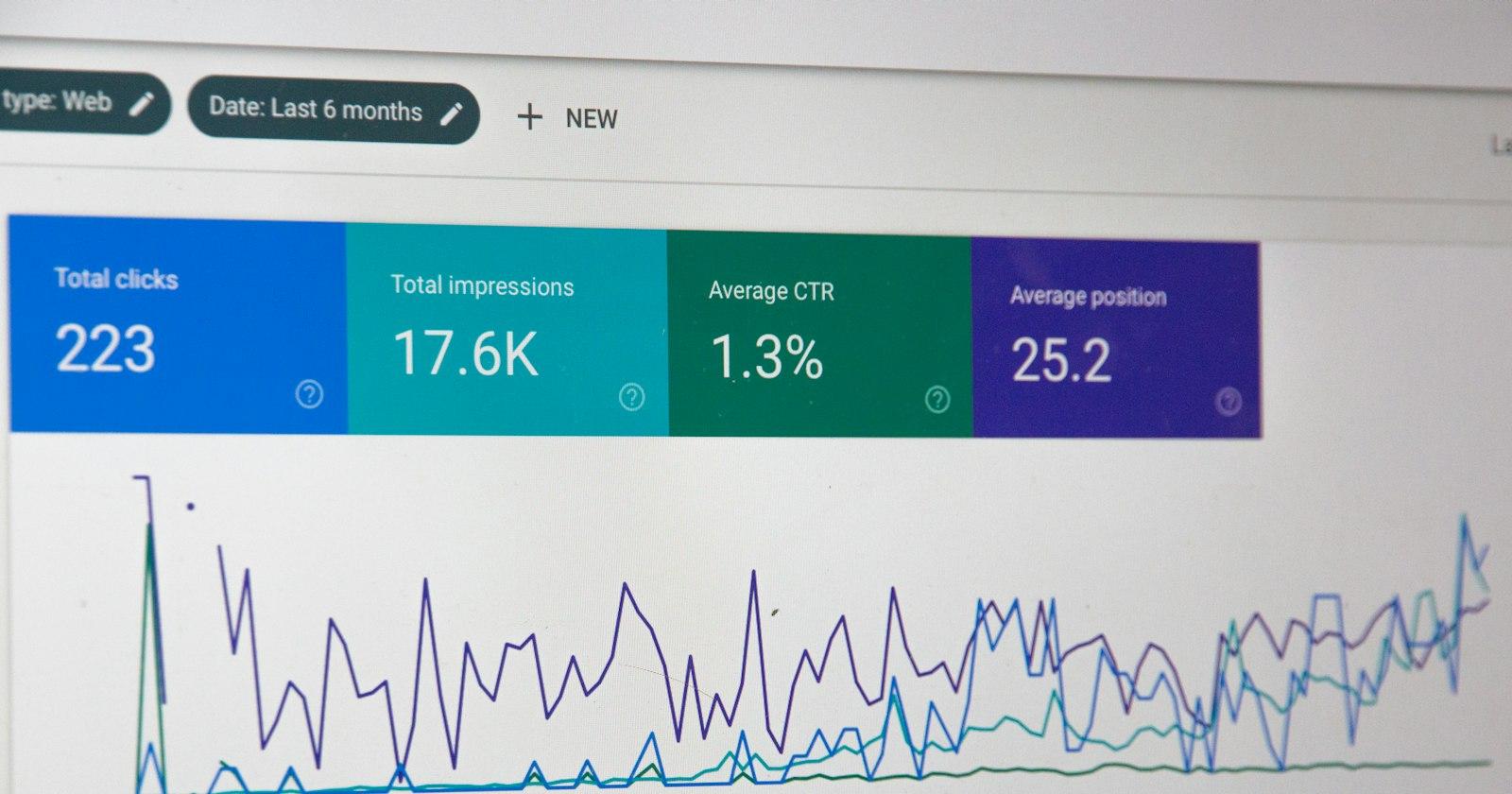
List every address on the current site and note which pages bring visitors and enquiries. Google Search Console shows the pages and searches that bring people in, and your analytics shows what they do next. These are the pages to protect. Pages nobody visits can be merged or retired.
2. Keep what is worth keeping
A redesign doesn’t have to start from nothing. Keep the content that ranks and converts, improve it where it is weak, and keep the subject of each important page recognisable, including the words your customers actually search for.
3. Redirect every address that changes
Map each old address to the closest new page and set up a permanent redirect, so people and search engines arriving at the old address land in the right place. Redirect to the matching page, not to the homepage. Keep the redirects in place for good: old links in emails, printed material and other sites don’t expire.
We did this on our own site on 4 October 2026, when we shortened our service page addresses. Every old address now sends visitors and search engines to its new page with a permanent redirect, and any campaign tags on the link carry over.
A redesign that keeps its rankings
- InventoryBefore design startsEvery address, and the pages that bring visitors and enquiries
- PlanBefore buildKeep, improve or merge each page, and map every changed address
- LaunchOn the dayRedirects live, search engines allowed in, new sitemap submitted
- WatchThe weeks afterErrors, rankings and enquiries checked and fixed quickly
4. Build the search foundations in
- Fast pages on phones and mobile data
- A unique title and description for every page
- Structured data that tells search engines what each page is about
- A sitemap listing every page you want found
- One address per page, with a canonical tag where duplicates are unavoidable
5. Check everything on launch day and after
Make sure search engines are allowed to index the new site. Test a sample of old addresses to confirm they redirect. Submit the new sitemap in Google Search Console, then watch it over the following weeks for pages it can’t reach, and fix any errors quickly. Some movement in rankings after a redesign is normal. A steady fall is a sign that something was missed.
What a redesign costs
Our website redesigns start from ₦400,000. We review what your current site does well, keep the content and rankings worth keeping, and rebuild the rest, as a business website or a conversion website. Nobody can honestly guarantee a ranking, but we make sure nothing technical holds you back.
Start a redesign and share your current address. We reply within two working days.